

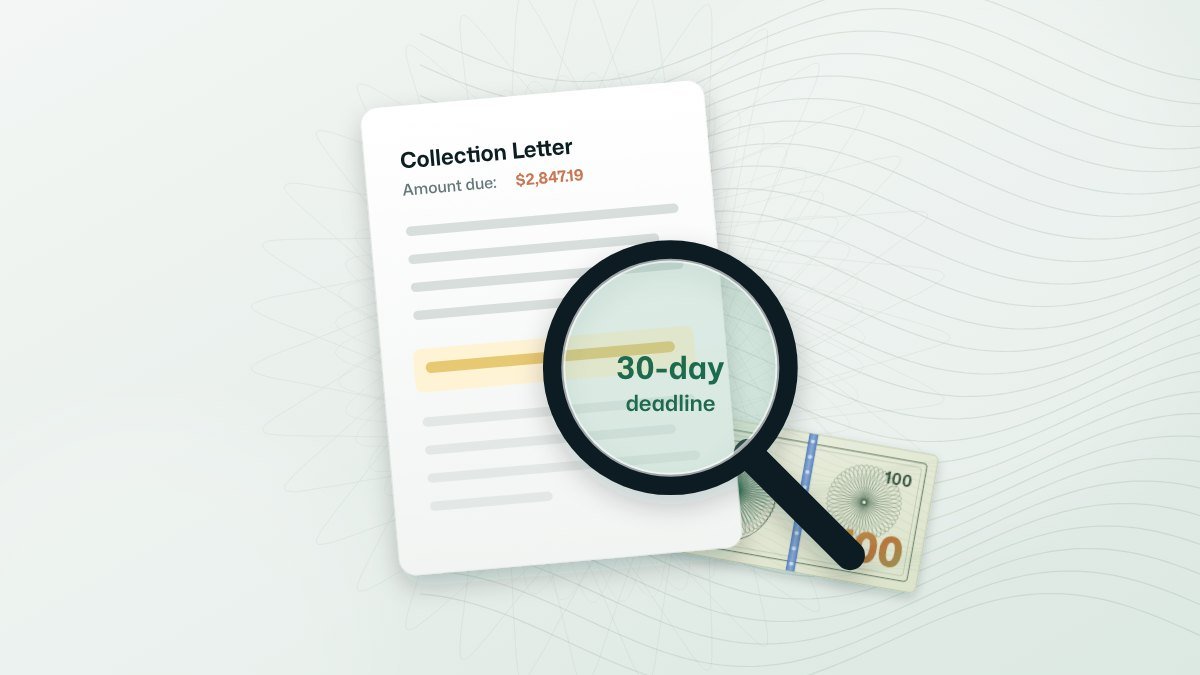
A letter from a debt collector can make your stomach drop. Before you call them, pay anything or throw it away, take ten minutes to read it properly. The first letter a collector sends is usually a validation notice, and it contains information and deadlines that protect you.
What is a validation notice?
Under federal rules, a debt collector must give you certain information about the debt, either in its first communication with you or within five days after it. Most collectors send it as a letter. Since 2021, many collectors use a standard model form created by the Consumer Financial Protection Bureau, so the layout may look familiar.
The five things to check
- Who is collecting, and for whom
The notice names the debt collector and the creditor the debt is owed to now. If the debt has been sold, this may be a company you have never heard of. It should also name the original creditor, such as the bank that issued the card.
- The amount, and how it got there
The notice shows the amount owed on a specific date, called the itemization date, and then lists interest, fees, payments and credits since that date. Compare this with your own records. Unexplained fees are a reason to dispute.
- The account number
Check whether the account is yours. Identity theft and mixed-up files are more common than most people think.
- Your dispute deadline
The notice gives a specific date. If you dispute the debt in writing by that date, the collector must stop collecting until it sends you verification. This 30-day window is your most powerful tool, so circle the date.
- How to dispute
Many notices include a tear-off form with boxes such as “This is not my debt” or “The amount is wrong.” You can use it, or write your own letter.
What to do next
- Do not ignore it. Ignoring a collector does not make the debt go away and can lead to a lawsuit.
- Do not pay or promise to pay yet. On an old debt, a payment can restart the statute of limitations in some states. Check the statute of limitations for your state first.
- Dispute in writing if anything is wrong or unfamiliar. Send your dispute before the deadline and keep a copy. Our guide to debt validation and disputes walks you through it.
- Check your credit reports.You can get free reports from all three bureaus at annualcreditreport.com. See whether the debt appears and whether the details match.
- Know your rights on calls.Collectors cannot call before 8 a.m. or after 9 p.m., harass you, or lie about what they can do. Read what debt collectors can and cannot do.
Red flags that it may be a scam
- The caller or letter pressures you to pay immediately by gift card, wire transfer or cryptocurrency.
- They refuse to send anything in writing.
- They threaten arrest or jail. You cannot be arrested for an ordinary unpaid consumer debt.
- The amount or creditor does not match anything you recognize.
If something feels wrong, do not give out any personal or bank information. Contact the original creditor directly using a number you find yourself.
If you have been sued
If you received court papers, not just a letter, the deadline to respond is much shorter and much more serious. Read Sued for a debt? Here’s what to do next today.
Need help responding?
Debt Remediation offers dispute letter templates, coaching and full-service help with collectors.